Elevate Your Drive: A Complete Guide to Car Audio System Installation
Improving a car stereo can substantially boost the driving experience. Improved sound quality and modern features, such as Bluetooth connectivity, are convincing arguments for countless car enthusiasts. However, selecting the right stereo and guaranteeing proper fit within the vehicle's framework can be a complex undertaking. Additionally, accurate installation is necessary to steer clear of common issues. Recognizing these important aspects can elevate not only the listening experience but also the satisfaction of every journey. How should one proceed to accomplish this enhancement?
Why Should You Upgrade Your Car Stereo?
Replacing a car stereo can substantially enhance the driving experience, as people often look for improved audio quality and up-to-date functionality. A large number of drivers realize that factory-standard systems do not meet the audio clarity and power standards drivers prefer. A replacement stereo offers enhanced bass, treble, and overall balance, revolutionizing the audio experience.
Additionally, modern car stereos feature integration options such as Bluetooth technology, USB ports, and smartphone application compatibility, permitting effortless integration with personal devices. This permits users to easily access their favorite music, podcasts, and navigational tools without difficulty.
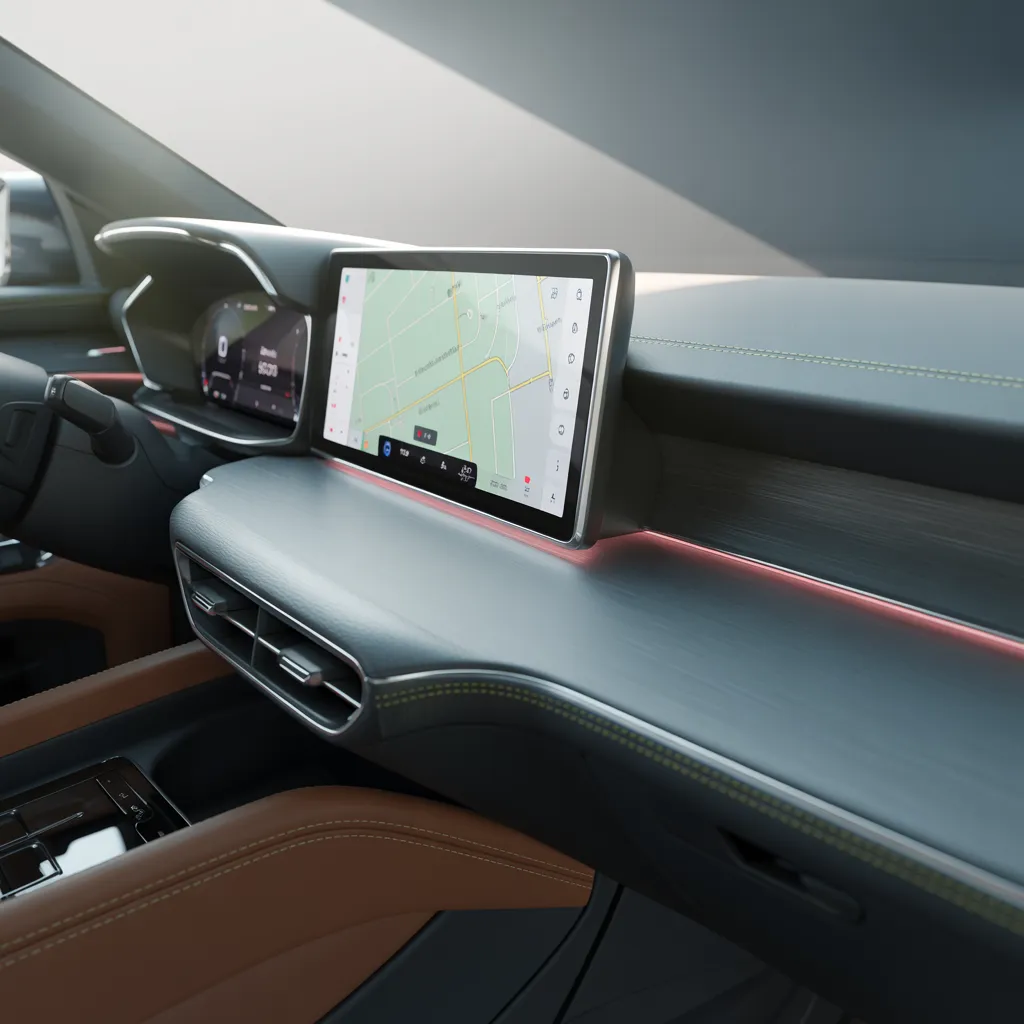
Moreover, a new stereo can offer impressive enhancements like touchscreen displays, configurable equalizer settings, and integrated navigation systems, enabling users to obtain data during travel. As innovations continue to develop, upgrading a car stereo can also safeguard the vehicle against obsolescence, guaranteeing compatibility with upcoming audio formats and technologies. In summary, an modernized vehicle stereo greatly enhances the travel experience for everyone inside the vehicle.
Choosing the Right Car Stereo for Your Needs
Picking the ideal car stereo means knowing personal preferences and specific requirements. Buyers should evaluate factors such as sound quality, connectivity options, and compatibility with their vehicle. Various models may offer various features, including Bluetooth capability for hands-free calling, USB ports for device charging, and support for streaming services.
In addition, individuals ought to consider the size of the head unit to verify it matches their dashboard perfectly. Some individuals lean toward a touchscreen interface for user-friendliness, while other users could prefer traditional buttons.
Sound quality is another vital factor; users who place emphasis on audio clarity should seek out units featuring greater wattage and sophisticated equalization options.
Ultimately, cost plays an essential part in the purchasing process. By weighing features, quality, and cost, shoppers can determine the vehicle stereo that fits their specific needs, enriching their overall driving experience.
Essential Tools for Successful Installation
A successful car stereo installation requires some necessary tools to make certain the process runs smoothly and effectively. First, a combination of Phillips and flathead screwdrivers is necessary when detaching and mounting the stereo unit. Wire strippers and crimpers facilitate the connection of wires, ensuring a solid and reliable electrical circuit. A multimeter comes in handy for confirming voltage levels, whereas electrical tape and heat shrink tubing shield connections from damage and moisture.
Additionally, a trim removal tool can protect the dashboard when accessing the stereo. Wire ties help with organizing and securing wiring, which is essential for maintaining a clean installation. Finally, having a set of sockets on hand can facilitate the removal of bolts and screws. By arming oneself with these essentials, an professional can approach the process with increased confidence and efficiency.
How to Set Up Your New Stereo in Simple Steps
Mounting a new car stereo demands a methodical approach to guarantee success. To begin, it is necessary to assemble the needed instruments, followed by the safe removal of the old stereo. Finally, correctly linking the new system will finalize the fitting procedure.
Collect the Required Tools Beforehand
Prior to beginning installing a car stereo, it's important to collect all the required tools to facilitate an efficient process. Essential items consist of a set of screwdrivers, usually including Phillips and flat-head types, to take out the screws that fasten the stereo. A panel removal tool is critical for safely detaching dashboard panels without causing damage. Wiring tools and connectors will be necessary for proper wiring and connections. Furthermore, a multimeter can help verify that all electrical connections are functioning correctly. It's recommended to have zip ties or electrical tape on hand for managing wires in an orderly fashion. To complete your toolkit, a flashlight can illuminate dark areas during installation. By gathering these tools in advance, the installation can proceed more smoothly and systematically.
Safely Remove Old Stereo
Properly removing the old stereo is an important step in the mounting process. Initially, the automobile's battery should be disconnected to prevent electrical shocks or short circuits. Following that, the taking off of any trim components surrounding the stereo is required; this is typically done with a trim pry tool to minimize the risk of damage. Once the trim is off, screws or clips securing the stereo must be removed. With these fasteners taken out, carefully extract the stereo from its dashboard slot. It is critical to gently remove the wiring harness and antenna cable, ensuring no wires are damaged in the process. After the old stereo is fully detached, it can be set aside, preparing the space for the new installation.
Connect New Stereo Properly
After removing the old stereo, attention shifts to connecting the new unit properly. To begin, the installer needs to collect the required tools, such as wire strippers and connectors. Next, they can refer to the new stereo's wiring diagram, that usually pairs color-coded wires to the vehicle's wiring harness. Proper wire connection is critical; for instance, red usually indicates power, while black represents ground. After the connections are established, they should be fastened with connectors or soldered to ensure durability. The installer can then place the new stereo into its mounting bracket, ensuring it is firmly seated. Finally, reassemble any panels removed during installation, double-checking all connections before powering on the new stereo to verify functionality.
Link Your Stereo: Bluetooth and Wiring Tips
Installing a car stereo requires mastering essential wiring connections and mastering the Bluetooth setup procedure. Proper installation can boost sound performance, but users may encounter frequent problems that require troubleshooting. This guide will offer helpful tips to achieve a seamless connection and maximum performance.
Key Wiring Connections
When fitting a car stereo, grasping the fundamental wiring connections is vital for achieving maximum performance and functionality. The primary connections include power, ground, and speaker wires. The power wire, commonly red, attaches to the vehicle's battery, delivering the essential energy needed for operation. The ground wire, typically black, ensures the stereo operates without interference. Speaker wires, frequently color-coded, attach to the speakers, transmitting audio signals. Carefully crimping or soldering these connections is necessary to prevent electrical shorts or sound issues. Furthermore, using a wiring harness can streamline the installation process by offering a plug-and-play solution designed for the vehicle. Confirming these connections are secure and correctly configured will enhance the overall listening experience and longevity of the stereo system.
Bluetooth Pairing Procedure
Once you have secured the essential wiring connections, the following step involves pairing the car stereo with a phone or other Bluetooth-enabled device. As a first step, the person must verify that Bluetooth is switched on on the mobile device. They can then navigate to the stereo's Bluetooth options, generally accessible in the main interface. The stereo will frequently present a list of detected devices. The comprehensive resource person selects their smartphone from this list. A pairing code may show up on both devices; acknowledging this code initiates the pairing. Upon successful pairing, the stereo usually supports wireless audio and hands-free calling. It is recommended to test the connection by playing a song or initiating a phone call to validate that call quality and features are functioning properly.
Addressing Common Challenges
Addressing typical challenges with car stereo installations demands a methodical process to pinpoint and fix issues effectively. First, verify that all wiring connections are secure and properly matched according to the vehicle's wiring diagram. Unsecured or improper connections can cause power issues or degraded sound output. When the stereo does not power up, examine the fuse and the vehicle's battery. To address Bluetooth connection problems, ensure the device is set to pairing mode and is nearby. Also, confirm that the stereo's firmware is current and fully updated. If sound quality is poor, inspect the speaker connections and settings. In conclusion, reviewing the user manual can supply detailed troubleshooting instructions specific to the stereo model, optimizing the installation experience.
Top 5 Installation Mistakes to Avoid
Although installing a car stereo may seem straightforward, many individuals unknowingly make critical mistakes that can lead to poor performance or even damage to the vehicle. One common error is neglecting to disconnect the battery, which can cause electrical shorts or shock. A second error involves not correctly aligning the stereo's power needs and wiring, causing unsatisfactory audio performance or total system breakdown.
Furthermore, using the wrong tools may lead to stripped screws or damaged parts. Failing to consider compatibility with the vehicle's existing setup is yet another error; choosing a stereo that doesn't match can result in installation complications. Lastly, poor speaker placement can negatively impact sound quality and audio performance. By steering clear of these five common errors, individuals can ensure a more seamless installation and experience superior audio quality in their vehicles.
Commonly Asked Questions
Can I Install a Car Stereo Without Professional Help?
Certainly, a person can mount a vehicle stereo without professional help. With the right tools, instructions, and a little care, many manage to achieve carrying out the installation independently, elevating their vehicle's sound system.
How Long Does Installing a Car Stereo Typically Take?
A car stereo installation typically takes one to four hours to complete, influenced by the complexity of the setup and the specific make and model of the vehicle. Factors like experience and tools available can also influence the duration.
What Are the Signs I Need a New Car Stereo?
Signs indicating it is time for a new car stereo include continuous sound quality issues, failure to connect external devices, recurring Bluetooth problems, faulty control functions, and an outdated interface. These concerns tend to negatively impact the overall driving experience and enjoyment.
Will Upgrading My Stereo Affect My Car's Warranty?
Changing a car stereo might influence the vehicle's warranty, particularly if the setup leads to issues or if certain parts are compromised. It's strongly suggested to review the warranty documentation or an authorized dealer for clarification.
Is It Possible to Use My Existing Speakers With a New Stereo?
Yes, existing speakers can often be used with a new stereo setup, provided they are compatible. However, evaluating their condition and ensuring they meet the new system's power and impedance requirements is essential for best performance.